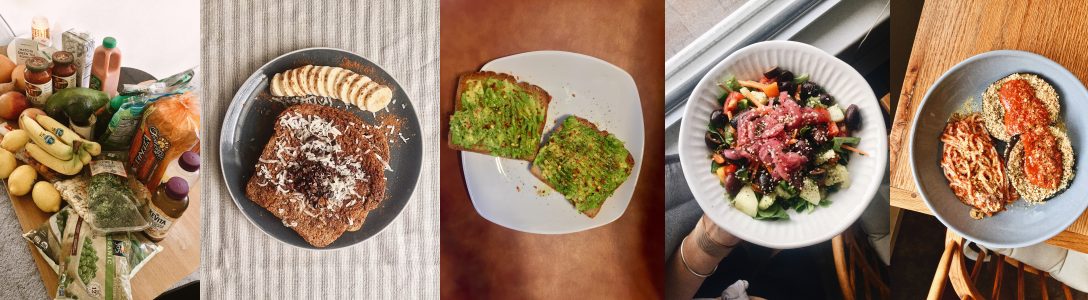
If you’re looking for somewhere to start, “getting healthy” can seem like a daunting task. Becoming “healthy” isn’t the same path for everybody, let alone the same clear path. You may have specific areas you want to work on, such as exercising, drinking more water, or eating more whole foods. I’ve outlined the little things I try and achieve each day as a means of improving my own quality of life. Adopt some of them, adopt all of them, adopt one of them; any of them will only work to positively serve you.
1. Give yourself time in the morning.
I find that my day goes along a lot smoother when I wake up earlier and give myself a moment in the morning, as opposed to waking up with just enough time to get ready before I’m out the door for the day. Even an extra 30 minutes to take my time making my hot lemon water, pack my lunch, or play with my cat, leaves me in a better headspace. I know that this isn’t a tip related to nutrition, but I also find that in waking up earlier, my digestive system has more time to wake up as well.
2. Let’s get this one out of the way: drink your water.
I try and drink at least 8 oz of warm or room temperature water with lemon each morning before having breakfast. I also add in the equivalent to a capful of apple cider vinegar as a means of aiding my digestion and function of the immune system. If I’m not in a hurry (see first bullet point,) then I drink a 32 oz water bottle before delving into breakfast. Not only does this get you off to a great running start for your daily water intake, it kicks off your digestion and preps your stomach lining for the remainder of the day.
3. MOVE.
I recently started to incorporate a daily walk into my routine. Ideally, I’d like to walk in the mornings, for at least 15-20 minutes, but I’ve been engaging in them before the sun starts to go down. Find a small side street near you and go for a short walk. Not only does this help you digest after potentially having ate dinner, but you’ll be ensuring you get in some Vitamin D.
4. Make small swaps.
Honey instead of artificial sweetener. Matcha latte instead of that second cup of coffee. Whole wheat instead of bleached white flour. Always ask what your food does for you besides fill you. What does it fill you with? If the answer is nothing good, change it.
5. Have a plan.
If you’re going somewhere and don’t know what foods will be available, have healthy snacks on hand. Pack cut up fruit, invest in a good lunchbox, don’t be scared of being the person to have a “snack stash.” When you plan, you’re more likely to succeed and not give in to easy, quick options.
6. Ask yourself, “how can I add more green to this?”
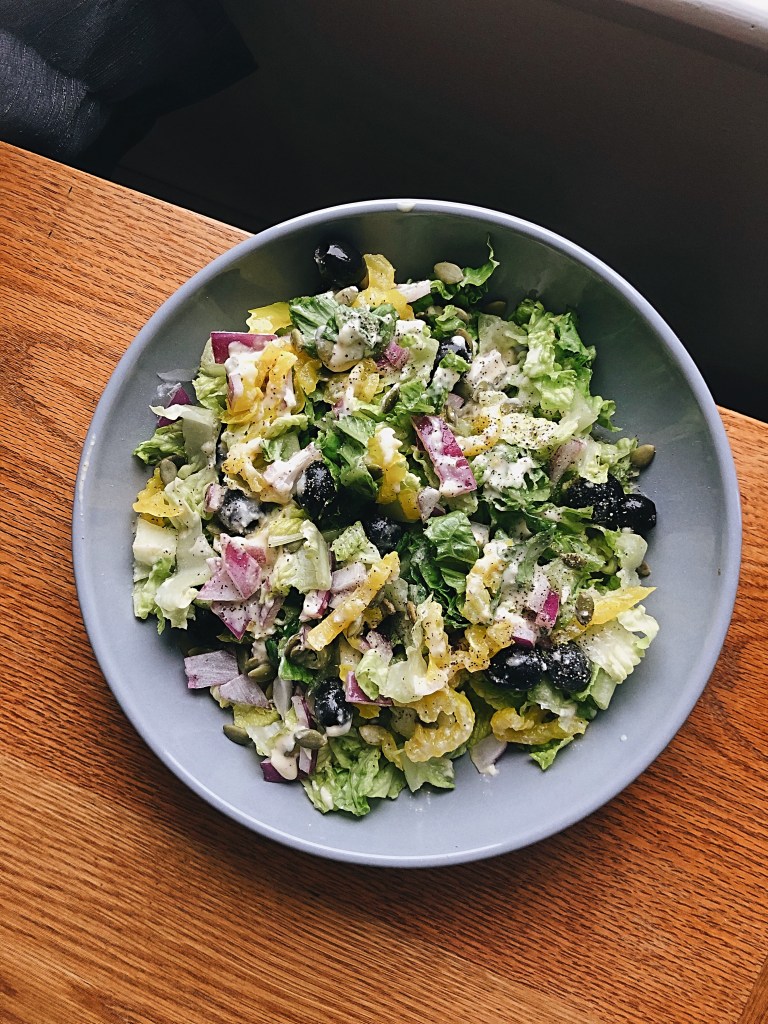
And don’t stop there. Always ask what you can add. Can you sprinkle nuts on top of your salad for healthy fats? Can you add some vegetables into your rice for added micronutrients? Can I add spinach into this smoothie? Chances are there is room for small additions all around, not just in relation to greens.
7. Don’t break a promise
to yourself. Or anyone else for that matter, but also to yourself. If you’ve told yourself you’re going to go for a run after your shift, go for that run. Hold yourself to the same standards you set for others.
8. If you can’t pronounce it, don’t eat it.
Don’t be ignorant to food labels. Explains itself.
9. Tea at night.
I didn’t realize just how beneficial fresh herbs and spices can be until reading Maria Noël Groves’ herbal guide, Body Into Balance. I could go on and on about this, but I can sum it up by recommending that you take the time to not only add fresh herbs into your diet, but have a cup of tea each night. Make it a habit. Not only will unwinding with a tea initiate the “cozy vibes,” drinking tea has been proven to alleviate mental and physical stress.
10. Ask what your food can do FOR you. Don’t wait until something ails you, eat to prevent ailments.
When I hear a cold is going around at work, I up my intake of vitamin C. That’s not uncommon for people to do. Go beyond that by informing yourself on what your food can do for you (yes, I’m repeating it again because it’s that important.) If heart disease runs in your family, research foods to maximize heart health. If you have to go on antibiotics for something, look into what foods you should be consuming to help repair your gut flora. Food is medicine; it has the potential to influence our bodies in incredible ways that go beyond satiation. Reach for whole, real food before you’re dishing out money for drugs to fix the problem.


 Health with Hales